Dhyana: The Bridge Between Atma and Paramatma
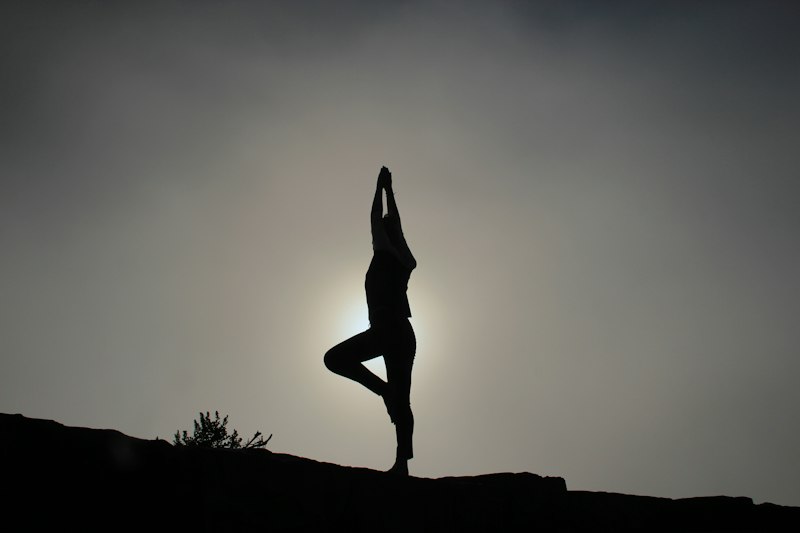
In the modern world, "meditation" has become a buzzword — reduced to apps, timers, and stress-reduction tools. While these have their place, they represent only the outermost layer of what the ancient Rishis called *Dhyana*. ## Beyond Technique Dhyana is not something you *do*. It is something that *happens* when the conditions are right. The Patanjali Yoga Sutras describe it as the seventh limb of Ashtanga Yoga — a state that arises naturally after the practitioner has established Dharana (concentration). Trying to "meditate" without the preceding foundations is like trying to harvest a field you never plowed. ## The Bridge Metaphor The ancient texts describe Dhyana as a bridge — *setu* — between two shores: - **Jivatma** — the individual soul, bound by karma, identification, and the limitations of the body-mind complex - **Paramatma** — the Supreme Soul, infinite, unchanging, and ever-present When the bridge of Dhyana is crossed, the practitioner experiences that the Jivatma was never separate from Paramatma. The separation was always an illusion (*Maya*). ## How We Approach Dhyana at Paravipra Centre Our approach is rooted in the understanding that meditation cannot be forced. Instead, we create the conditions: 1. **Physical preparation** through Yogabhyasa (asana practice) 2. **Energetic cleansing** through Bhuta Suddhi and Pranayama 3. **Mental steadying** through Satsang and contemplation 4. **Surrender** in the silence of the Himalayas When these conditions converge, Dhyana descends upon the practitioner like grace — unsought, undeniable, and utterly transformative. ## The Himalayan Advantage There is a reason the great sages chose the Himalayas for their practice. The mountains hold an energy — a *Tapasya* — accumulated over millennia. Sitting in meditation here is fundamentally different from sitting in a city apartment. The silence is not empty; it is full of Presence.
Written by Amendra Pokharel
Founder and spiritual guide of Paravipra Center. He dedicates his life to sharing the ancient Himalayan lineage and the practical science of elemental purification and dhyana.